Copyright © 2026 - Baggmania All Rights Reserved.
 +852-599-555-66
+852-599-555-66
+852-599-555-66
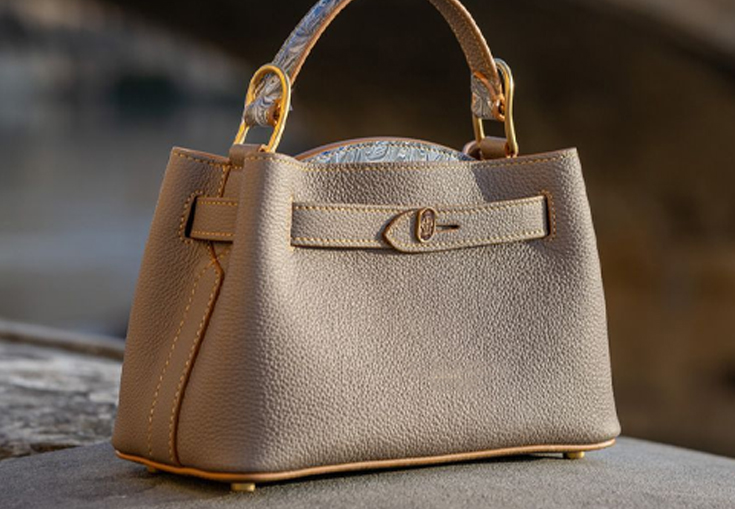
Handbags now sit at the crossroads of style culture and smart buying. In 2026 the conversation shifts from logo chasing to long term worth storytelling and craft. This report explores how bags earn staying power what buyers value today and why the future rewards knowledge over hype.
Handbags came to a standstill being simple accessories a long time ago. People now see them as cultural markers and personal assets. In 2026 buyers look past flash and focus on substance. They want pieces that age well travel easily and tell a story that still feels relevant years later. This shift feels natural. People grew tired of loud signals and short-lived trends. They want meaning stitched into every seam.
Social media also changed the game. Trends move fast but fatigue hits faster. Shoppers now pause before buying. They ask how a bag fits their life not just their feed. This mindset pushes quality and versatility to the front of the conversation.
For years one famous silhouette dominated every wish list. That era fades. Buyers still respect heritage but they no longer rely on it alone. A bag now needs more than history to justify its place. It needs usability design clarity and a sense of modern relevance.
People want pieces that work across settings. Office travel dinner weekends all matter. A bag that lives only in a closet loses appeal. In 2026 value grows when design adapts to real life. Quiet confidence now beats loud recognition.
Craftsmanship drives long term worth more than hype ever could. Buyers examine stitching structure and material sourcing closely. They notice how leather softens over time and how hardware holds up with use. They appreciate hand finished details even when they appear subtle.
Material choices also signal responsibility. People pay attention to durability and sourcing ethics. A well-made bag that lasts years earns trust. That trust builds reputation and resale strength over time.
Scarcity still plays a role but buyers read between the lines now. Artificial shortage feels transparent. Purpose driven limited runs feel different. When designers create smaller batches to protect quality people respond positively.
In 2026 buyers value thoughtful production over forced exclusivity. They respect brands that release fewer better pieces instead of constant drops. This approach keeps designs fresh while avoiding oversaturation.
Logos shrink. Shapes soften. Colors stay versatile. Design language moves toward subtle confidence. Buyers want bags that feel timeless but not boring. Clean lines smart proportions and functional interiors win attention.
Neutral tones dominate but unexpected textures and finishes add personality. The goal feels clear. Stand out without shouting. Bags that achieve this balance tend to age gracefully and maintain strong demand.
A beautiful bag that fails in daily use quickly loses appeal. Buyers now demand smart compartments comfortable straps and balanced weight. Function no longer sits secondary to aesthetics. It stands as a core requirement.
Cross body options flexible handles and adaptable sizing matter. People want bags that move with them. This practical focus reflects broader lifestyle changes where mobility and convenience rule everyday choices.
Handbags gain meaning through culture not just design. When a bag aligns with broader lifestyle shifts it resonates deeper. In 2026 cultural awareness matters. Buyers notice when a piece reflects changing work patterns travel habits and personal expression.
Designs that connect with these shifts feel current longer. They avoid looking dated too quickly. Cultural fit helps a bag remain desirable beyond its launch moment.
Many buyers now consider future resale from day one. This does not mean they plan to sell immediately. It simply means they choose wisely. They favor classic shapes strong materials and adaptable colors.
This mindset encourages smarter buying behavior. It pushes brands to maintain consistency and quality. Bags that hold their appeal in secondary markets gain credibility and long-term value.
A bag with a story connects deeper. People respond to narratives about craftsmanship design inspiration and material origin. Storytelling turns an object into a companion.
In 2026 buyers seek authenticity. They want stories that feel real not manufactured. When a brand communicates honestly people listen. Emotional attachment often proves stronger than trend appeal.
Buyers now evaluate bags through multiple lenses. They look at build quality usability design longevity and cultural fit. Price alone no longer defines worth. A higher price must come with clear justification.
They also watch how a bag performs over time. Does it age well Does it remain comfortable Does it still feel relevant These questions guide smarter choices and shape market demand.
Looking ahead handbags will continue to blend fashion and function. Buyers will reward restraint clarity and craftsmanship. They will favor pieces that integrate seamlessly into daily life.
Designers who listen closely will thrive. Those who chase hype without substance will struggle. The future belongs to bags that respect the buyer intelligence and offer lasting satisfaction.
The 2026 handbag landscape rewards patience and discernment. Value now grows from quality relevance and real-world use. Buyers who focus on these elements make choices they enjoy longer.
Beyond iconic silhouettes lies a richer more thoughtful market. One where confidence replaces noise and lasting appeal beats fleeting attention.

Baggmania delivers durable, designer, quality handbags, utilizing rigorous structural inspections and humidity-controlled storage systems to ensure peak material integrity, professional-grade quality, and long-term asset value retention.
Copyright © 2026 - Baggmania All Rights Reserved.