Copyright © 2026 - Baggmania All Rights Reserved.
 +852-599-555-66
+852-599-555-66
+852-599-555-66
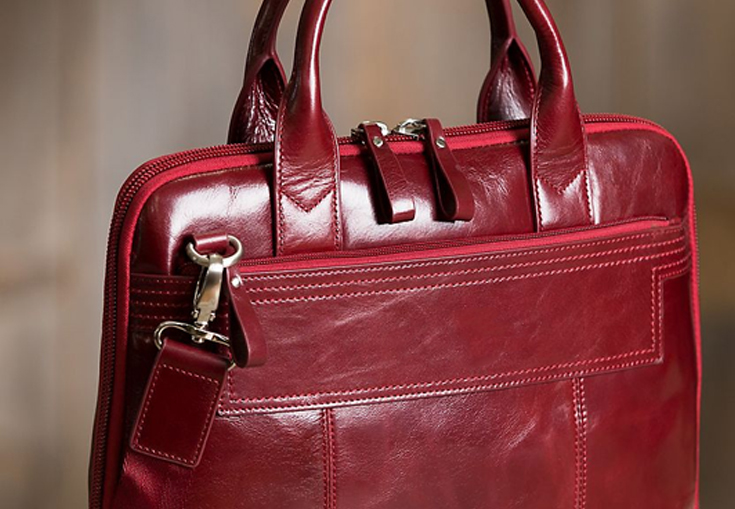
Heirloom leather carries memories in every crease and shine. That soft glow did not appear overnight and it cannot survive neglect. This guide breaks down how to protect that natural patina at home using simple habits steady attention and respect for the material without overdoing anything at all.
Patina forms when leather responds to time touch air and light. It reflects use not damage. People often confuse patina with wear but they are not the same. Wear weakens leather. Patina enriches it. When you understand this difference your approach changes immediately.
Patina develops slowly. Oils from hands friction from movement and exposure to everyday environments create depth and warmth. Each mark adds character when managed correctly. Rushing or forcing this process ruins the effect and shortens the life of the piece.
How you handle leather daily matters more than any product. Clean dry hands reduce oil transfer. Gentle placement prevents unnecessary strain. Avoid dropping leather on rough surfaces or overcrowding it with sharp objects.
Rotation helps too. Using the same piece every day accelerates stress. Giving leather time to rest allows fibers to relax and recover naturally. This simple habit extends longevity without effort.
Proper storage preserves shape and surface. Always store leather in a cool dry place away from direct light. Excess heat dries fibers. Moisture invites mold and stiffness.
Support the structure from the inside. Soft stuffing maintains form without stretching seams. Avoid plastic coverings since they trap moisture. Breathable fabric works for airflow and protection.
Light affects leather more than people realize. Prolonged sunlight fades color and dries natural oils. Artificial lighting also contributes over time.
Balance matters. Complete darkness can dull surface depth. Moderate indirect light supports natural aging without damage. Rotate stored pieces occasionally to keep exposure even.
Less action often works better. Frequent aggressive cleaning strips natural oils. For surface dust use a soft dry cloth with gentle pressure. Move in small circles and let the leather respond naturally.
For deeper grime spot attention works. Damp cloths should stay barely moist. Never soak leather. Water penetrates fibers and alters texture permanently if mishandled.
Leather needs nourishment but too much causes buildup. Over application darkens surfaces unevenly and attracts dust. Light application spaced over time maintains balance.
Test any conditioner on an unseen area first. Apply sparingly with a soft cloth and allow full absorption before use. Patience preserves the natural glow better than frequent application.
Minor scratches happen. Often, they blend into patina with time. Gentle rubbing with clean fingers redistributes natural oils and softens marks.
Avoid harsh fixes. Abrasive actions remove finish layers. Deep scratches require professional attention.
Leather reacts strongly to humidity changes. Excess moisture causes stiffness and mold. Dry air causes cracking.
Aim for stable indoor conditions. Dehumidifiers help in damp climates. Small bowls of moisture absorbing materials assist enclosed storage spaces. Consistency matters more than exact numbers.
Spills happen. Speed matters. Blot immediately with a dry cloth. Do not rub. Rubbing spreads liquid deeper into fibers.
Let leather air dry naturally. Avoid heat sources. Heat locks stains and causes shrinkage. After drying assess the area before any further action.
Leather carries a natural scent that reflects its condition. Sharp chemical smells signal problems. Musty odors indicate moisture issues.
Air circulation resolves scent concerns. Avoid sprays or perfumes. They mask issues without fixing them and may damage the surface.
Seasons affect leather behavior. Winter air dries it out. Summer humidity softens structure.
Adjust habits accordingly. Increase rotation during humid seasons. Monitor storage areas more closely. Small seasonal tweaks prevent long term issues.
Older leather needs gentler maintenance. Fibers weaken with age even when surfaces look strong. Reduce weight load and avoid stretching.
Support these pieces cautiously during use and storage. Preservation focuses on stability not transformation. Respect the history built into the material.
People often over clean or over condition. Others ignore early warning signs like stiffness or odor. Another mistake involves using household products not meant for leather.
Avoid shortcuts. Simple consistent habits outperform dramatic fixes every time. When in doubt pause and observe before acting.
Leather longevity works when everyone understands basic handling. Children guests and helpers should know simple rules.
Clear communication prevents accidents. Shared awareness protects pieces for years to come without stress or constant supervision.
Patina tells a story you cannot recreate once lost. Preservation focuses on restraint awareness and respect. Leather rewards patience with depth and warmth unmatched by new surfaces.
By following thoughtful at home habits, you allow heirloom leather to age with grace and character while remaining strong for generations ahead.

Baggmania delivers durable, designer, quality handbags, utilizing rigorous structural inspections and humidity-controlled storage systems to ensure peak material integrity, professional-grade quality, and long-term asset value retention.
Copyright © 2026 - Baggmania All Rights Reserved.